The Uniform of Valor: A Deep Dive into CW5 Eric Slover’s Military Insignia

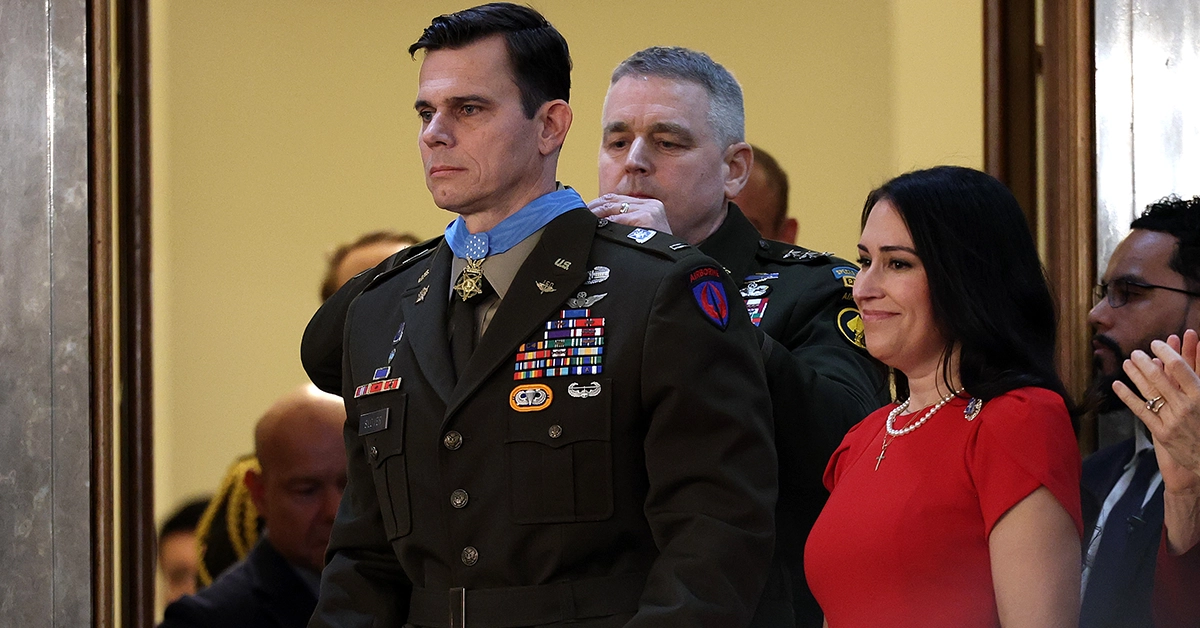
When Army Chief Warrant Officer 5 (CW5) Eric Slover stood before the nation during the 2026 State of the Union address, he wasn't just representing the heroism of the Venezuelan campaign; he was a walking history book of modern special operations.
In military circles, a CW5 is often jokingly referred to as a "Bigfoot" sighting. There are two reasons for this:
Rarity: CW5 is the highest rank in the Warrant Officer Cohort, making up less than 1% of the total Army. They are the "experts among experts."
Operational Tempo: Because they are master aviators and technical geniuses, they are almost always deployed or in the cockpit. Seeing one in a full Army Green Service Uniform (AGSU), rather than flight suits or multicam fatigues, is a rare event.
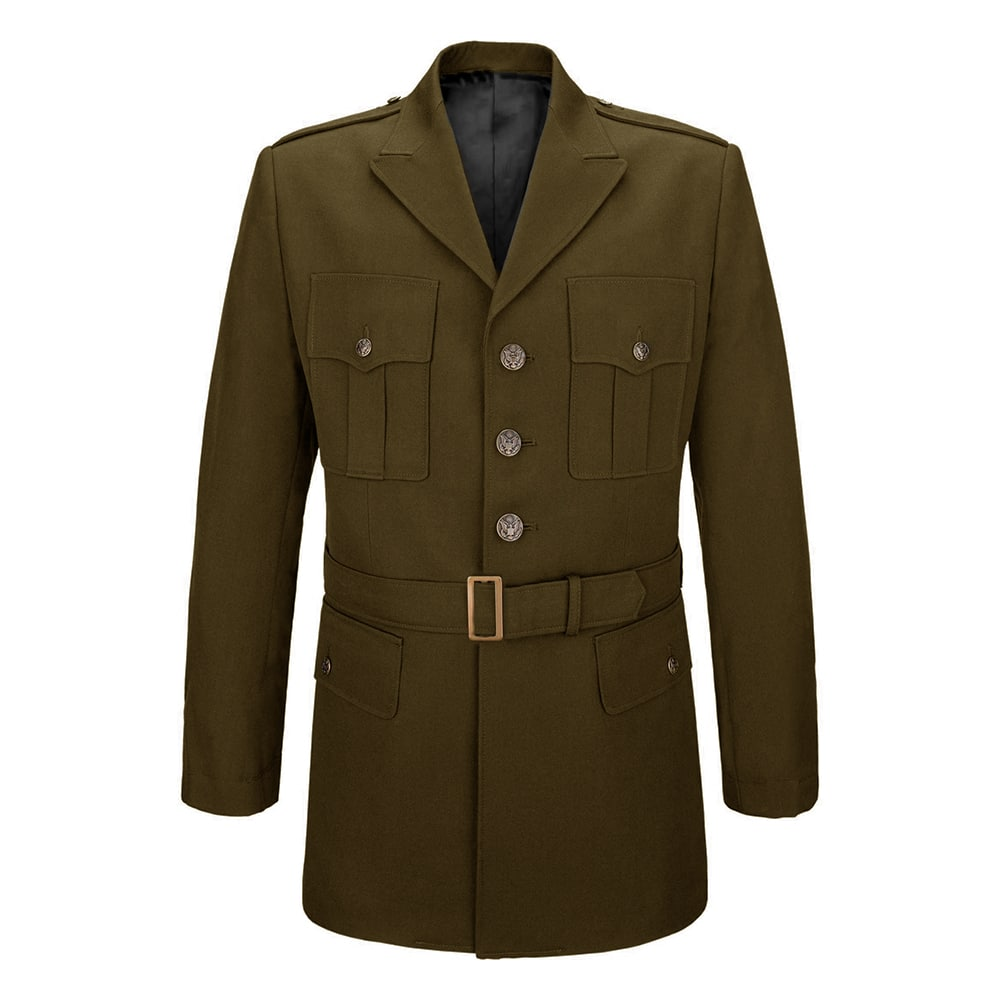
CW5 Slover is a pilot for the 160th Special Operations Aviation Regiment (SOAR), known as the "Night Stalkers." His uniform tells a story of decades spent in the dark, flying the world’s most elite operators into the world's most dangerous "hot zones." To understand the man, you must understand the metal and fabric he wears over his heart.
Official Reference: For more on the history and roles of the Warrant Officer cohort, visit the U.S. Army Combined Arms Center.
Anatomy of a Hero: The Medal of Honor and Mastery of the Skies
At the center of CW5 Slover’s uniform are the two most prestigious markers of his career: one representing the ultimate sacrifice and the other representing a lifetime of technical perfection.
The Medal of Honor (MoH)
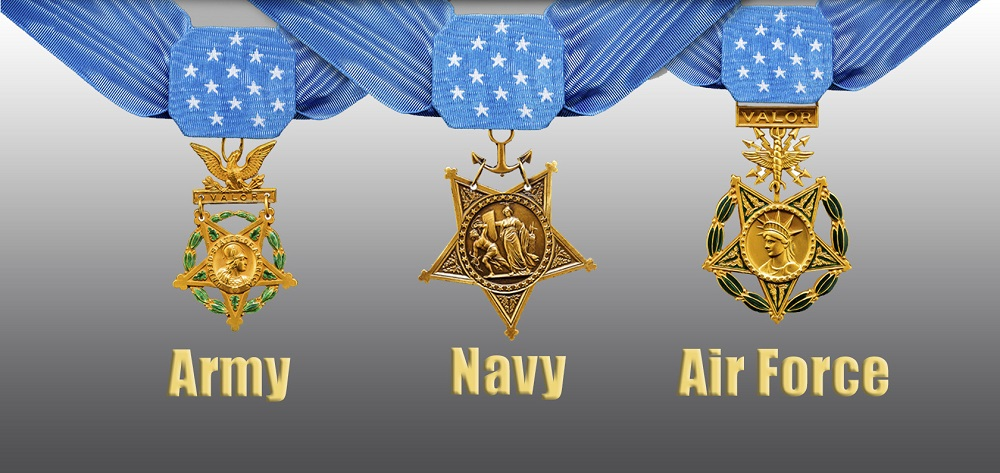
Suspended from the neck by a wide light-blue silk ribbon emblazoned with 13 white stars, the Medal of Honor is the highest award for valor in action against an enemy force.
- Significance: It is the only U.S. military award worn around the neck. In Slover’s case, it was awarded for his "conspicuous gallantry" during Operation Absolute Resolve in Venezuela (2026), where he maintained control of a crippled MH-47 Chinook under heavy fire to save his crew and special operations team.
- Placement: Per Army Regulation 670-1, the medal is worn outside the shirt collar and inside the coat collar, resting just above the necktie.
Master Aviator Badge
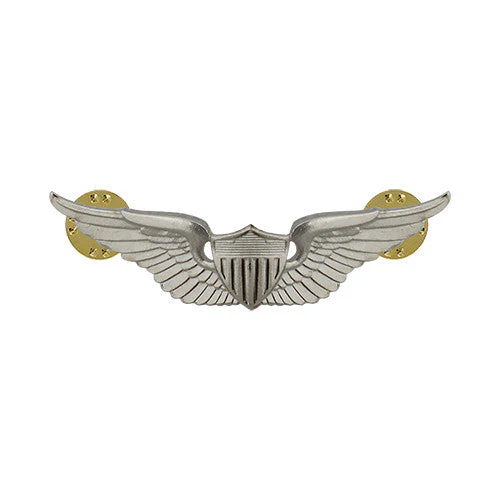
Located directly above his rows of ribbons on the left breast, you will see a pair of wings with a star and a laurel wreath at the top. This is the Master Aviator Badge.
- Criteria: To earn this "Master" level, an officer must typically have 15 years of flight experience and over 3,000 flight hours. For a Night Stalker like Slover, those hours are often flown at low altitudes, at night, using Night Vision Goggles (NVGs).
- Design: The wings signify flight, the star signifies a Senior Aviator, and the wreath signifies the Master level—the pinnacle of an Army pilot's career.
Official Reference: For the full criteria on flight badges and their heraldry, see the U.S. Army Institute of Heraldry: Aviation Badges.
Combat Action Badge (CAB)
Positioned just above the Master Aviator wings is the Combat Action Badge. It features a silver bayonet and a grenade on a blue bar, surrounded by an oak wreath.
- Purpose: Unlike the Combat Infantryman Badge (CIB), the CAB is awarded to soldiers of any branch (including pilots) who are personally present and actively engaging or being engaged by the enemy. It is a testament to the "front line" nature of 160th SOAR missions.
The Ribbon Rack and the 160th SOAR Identity: "Night Stalkers Don’t Quit"
While the Medal of Honor hangs from the neck, the "ribbon rack" over Slover’s left breast pocket serves as a visual map of his career. For a special operations pilot, these rows of colors represent every campaign, wound, and act of bravery since he first earned his wings.
The "Valor" Row: Distinguished Flying Cross & Bronze Star
On the top rows of his ribbons, two critical decorations stand out for their specific "devices":
- Distinguished Flying Cross (DFC): Awarded for heroism or extraordinary achievement while participating in aerial flight. On Slover’s uniform, you will notice a small bronze "V" device on the ribbon. This signifies the award was for specific acts of bravery in actual combat, rather than for meritorious service.
- Bronze Star Medal: One of the most respected decorations in the Army. Slover wears this with multiple Oak Leaf Clusters, indicating he has received this medal several times throughout his career for service in combat zones.
Official Reference: You can view the order of precedence for all U.S. Army ribbons and their authorized devices at the U.S. Army Human Resources Command (HRC) Awards Page.
The 160th SOAR Unit Patch (The Night Stalkers)
On his left shoulder, Slover wears the patch of the 160th Special Operations Aviation Regiment.
- Design: A shield featuring a stylized winged dagger and a lightning bolt, symbolizing speed, silent strikes, and direct support to ground forces.
- The "Night Stalker" Creed: Being a member of the 160th means flying in the most extreme conditions imaginable—often at high speeds, just feet above the ground, in total darkness. Their motto, "Night Stalkers Don’t Quit," is a point of immense pride for those who wear this insignia.
Purple Heart
Located among his service medals, this purple ribbon with white edges is one of the most solemn decorations a soldier can wear.
- Criteria: It is awarded in the name of the President to those wounded or killed while serving. For Slover, it represents the shrapnel wounds he sustained when his Chinook was struck by an RPG during a high-stakes extraction of a Navy SEAL team.
The Marks of Time: Sleeves and the "Silver Ghost" Rank
While medals and ribbons tell of specific moments of bravery, the sleeves and shoulders of the Army Green Service Uniform (AGSU) tell the story of a lifetime dedicated to service. For CW5 Slover, his sleeves are practically "heavy" with history.
Overseas Service Bars (The Right Sleeve)
On the lower right sleeve, you will see a series of horizontal gold bars. These are Overseas Service Bars.
- Criteria: Each individual bar represents six months of service in a designated combat zone.
- The Record: Counting Slover’s ten bars reveals a staggering five years (60 months, each bar equals 6 months) spent deployed in active war zones. This is an exceptional amount of time "in the dirt" for any soldier, let alone a high-ranking pilot.
Service Stripes (The Left Sleeve)
On the opposite sleeve (the left), there are diagonal gold stripes.
- Criteria: Each stripe represents three years of honorable federal service.
- The Legacy: For an officer of Slover’s caliber, these stripes often stretch nearly to the elbow, signifying a career that likely spans three decades, covering conflicts from the early War on Terror to the recent Absolute Resolve campaign.
The CW5 Rank: The "Silver Ghost"
On his shoulder epaulets, Slover wears the rank of Chief Warrant Officer 5.
- Design: A silver bar with a single, thin black line running vertically down the center.
- The Legend: In the Army, CW5s are often called "Silver Ghosts" or "Unicorns." They are the ultimate technical experts. While a Colonel (O-6) commands thousands of soldiers, a CW5 commands the technical soul of the unit. They don't just fly the helicopter; they are the ones who write the manuals on how the helicopter should be flown in impossible conditions.
Official Reference: See the U.S. Army Rank Insignia for a visual guide on Warrant Officer progression.
A Guide for the Collector: Preserving the History of Valor
At PinProsPlus, we understand that a military insignia is never "just a piece of metal." For heroes like CW5 Eric Slover, every pin on that Army Green Service Uniform represents a cold night in a cockpit, a fallen comrade, or a successful rescue mission. For collectors and veterans, these items are symbols of a legacy that must be preserved with the highest quality.
Identifying Quality: What to Look For
When you are looking to add military-style pins or challenge coins to your collection, the details matter:
- The Finish: Look for high-polished gold or silver plating that mirrors the official "stay-bright" finishes used by the U.S. Army.
- Enamel Accuracy: The "Army Blue" on a Medal of Honor or the specific "Purple" of a Heart must be precise. We use Pantone-matched enamels to ensure every hue is historically accurate.
- The 3D Relief: Notice the Master Aviator Badge on Slover’s chest. The feathers on the wings and the leaves of the wreath have depth. High-quality custom pins should feature that same multi-level 3D die-striking.
The Custom Legacy: Beyond the Uniform
While the medals Slover wears are issued by the government, many of the most cherished items in a Special Operations pilot’s collection are Custom Unit Pins and Challenge Coins.
- Unit Pride: Members of the 160th SOAR often commission custom pins for specific deployments—like the Venezuela campaign—to trade with fellow operators or to give to family members.
- Challenge Coins: In the world of "Night Stalkers," a custom-designed coin is the ultimate handshake. It’s a way to say, "I was there, and I served with the best."
Official Reference: If you are looking to verify the authenticity of a specific unit crest or "DUI" (Distinctive Unit Insignia), the The Institute of Heraldry is the gold standard for official designs.
Conclusion
CW5 Eric Slover’s uniform is a masterclass in military history. From the rare "Silver Ghost" rank on his shoulders to the ten overseas service bars on his sleeve, it tells a story of thirty years of "Quiet Professionalism."
At PinProsPlus, we are proud to help veterans, families, and collectors recreate these symbols of service with the respect and detail they deserve. Whether you are looking to design a commemorative pin for a loved one’s retirement or a custom coin for your own unit, we bring the same level of "Night Stalker" precision to every piece we craft.

.webp)
.webp)
.webp)
.webp)
.webp)
.webp)
-min.avif)
.webp)
.webp)
.webp)
.webp)
.webp)
.avif)