The Complete History of Christmas Pins: From Vintage Brooches to Modern Enamel Art


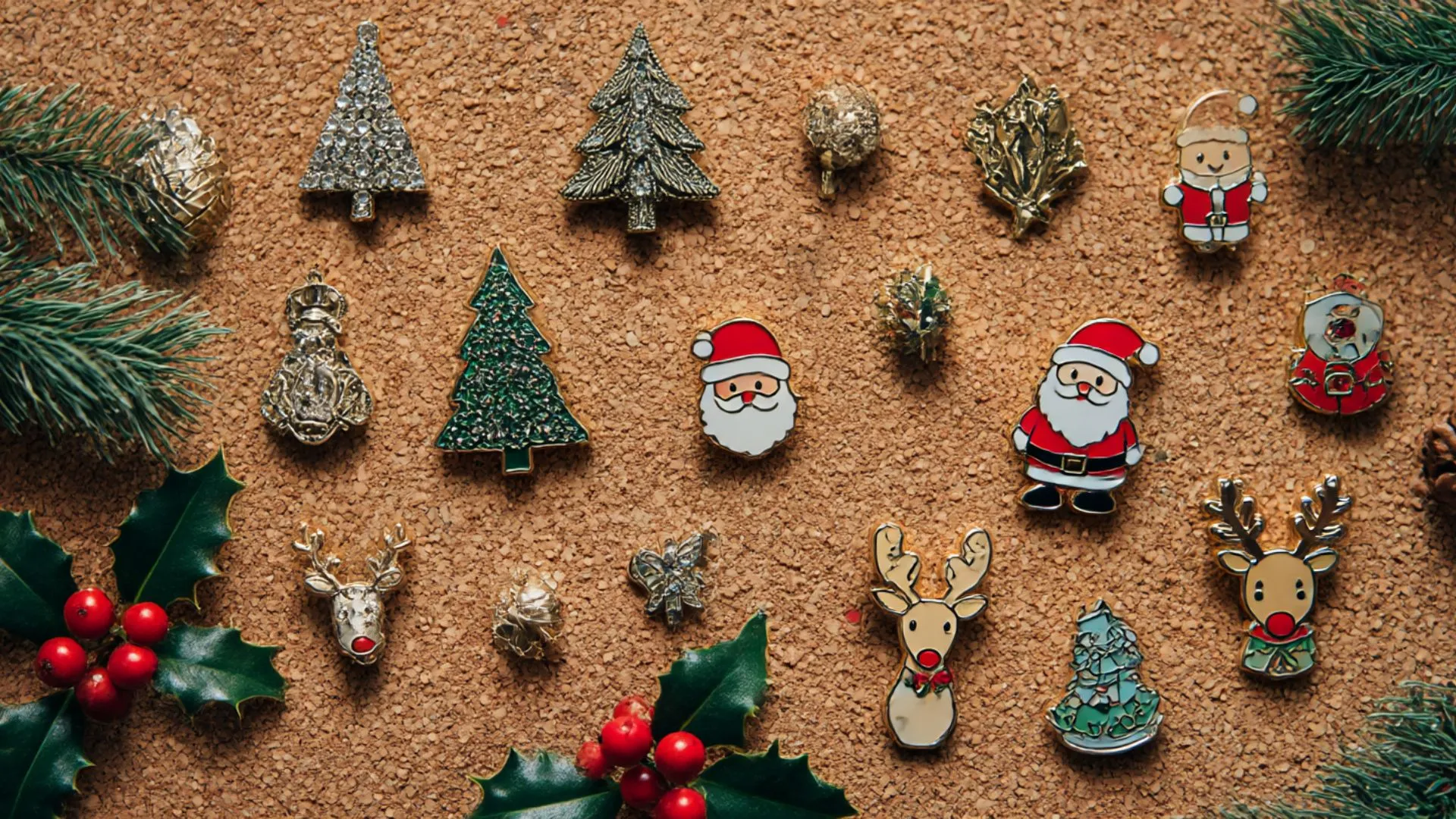
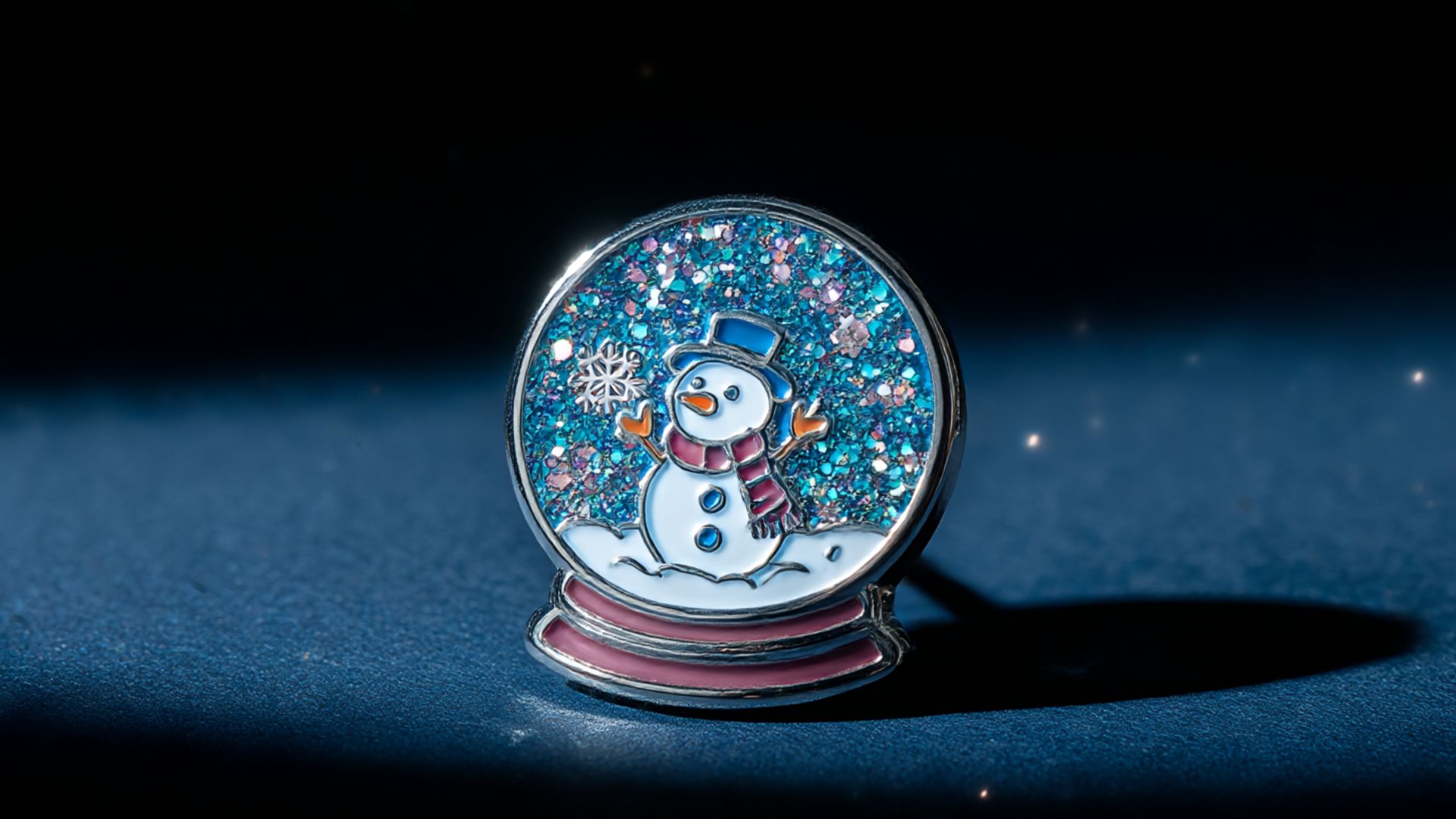
For over a century, Christmas pins have been tiny pieces of wearable joy—part nostalgia, part fashion, and part storytelling. Whether it’s a sparkling vintage brooch shaped like a wreath or a modern enamel snowglobe pin with liquid glitter inside, these small accessories carry big sentimental value during the holiday season.
In this guide, we explore how Christmas pins evolved, why collectors love them, and which motifs dominate the holiday tradition today.
Why Christmas Pins Became Cultural Icons
Christmas jewelry has always been more than decoration. Early Christmas brooches were meant to symbolize warmth, generosity, family, and festivity. As fashion evolved, these pins became collectible objects—first in jewelry boxes, later on denim jackets, winter coats, and “ugly” holiday sweaters.
Collectors love them because:
- They connect different generations
- They tell stories through symbols
- They’re affordable entry-level collectibles
- They’re deeply nostalgic
Today, Christmas pins are one of the most popular seasonal accessories—and one of the most giftable.
The Early Era of Holiday Brooches (1920–1960)
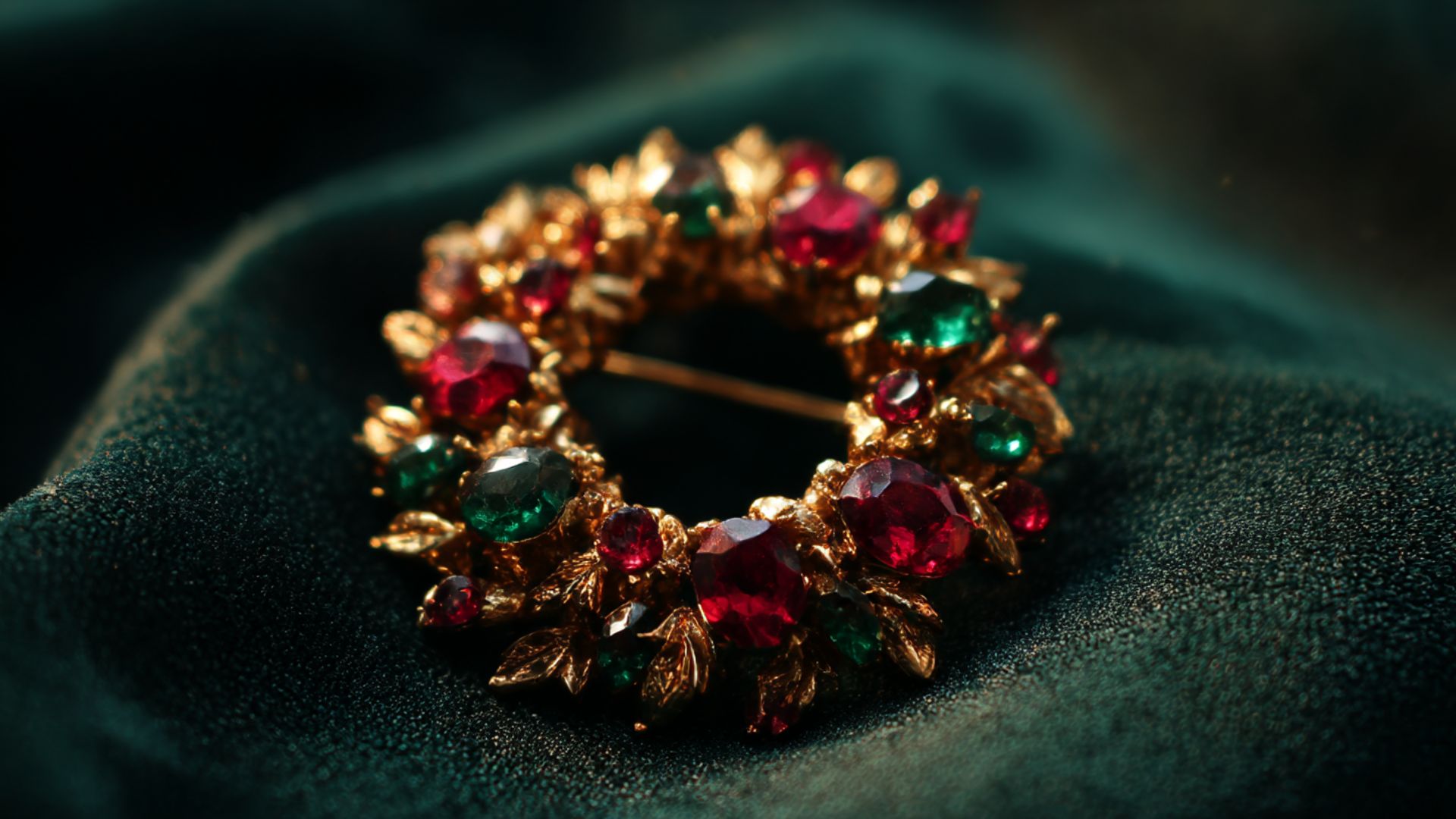
The first wave of Christmas pins appeared as rhinestone brooches in the early 20th century. Jewelry brands began producing holiday-themed pieces featuring:
- Christmas trees
- Holly branches
- Wreaths
- Candles
- Angels
These brooches were crafted from metals like brass and gold-tone alloys, and often decorated with glass stones or enamel accents. Their craftsmanship makes many of them highly valuable today.
The style was luxurious and ornamental—meant to complement elegant winter outfits rather than casual wear.
The Rise of Enamel & Character Pins (1970–2000)
By the 1970s and 1980s, holiday fashion had shifted from formality to fun. Enamel techniques became more accessible, leading to:
- Brighter colors
- Cartoon-style characters
- Cute Santas and snowmen
- More expressive designs
This period also marked the beginning of movie-inspired holiday pins as classic films like Rudolph the Red-Nosed Reindeer, A Charlie Brown Christmas, and later Home Alone, The Grinch, and Elf gained cult followings.
Pins became a way for fans to express their love for holiday pop culture
Why Christmas Trees Are the #1 Holiday Pin Motif
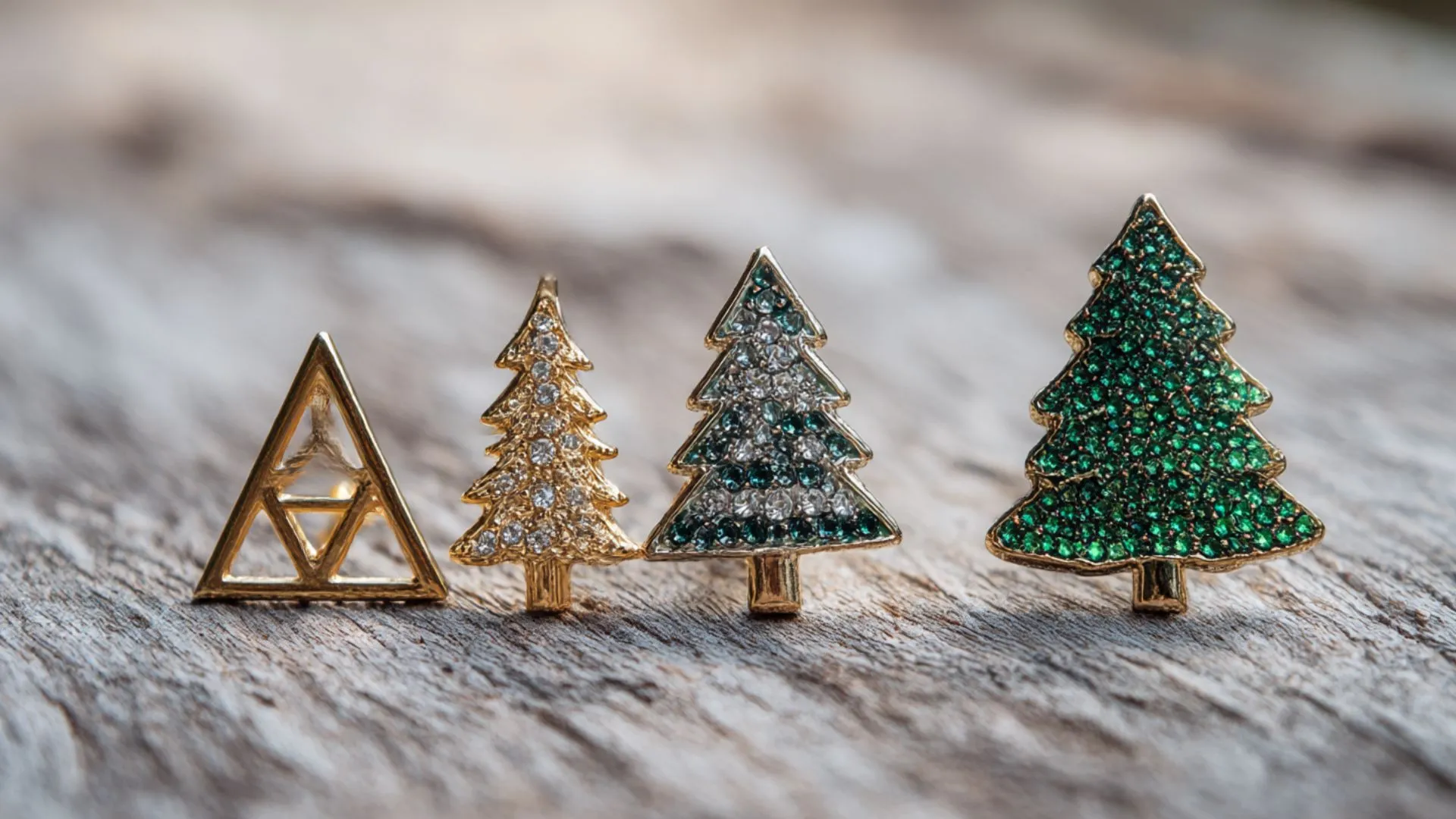
A report from the Gemological Institute of America (GIA) highlights a clear trend: Christmas trees are the most popular holiday pin motif.
Why?
Because the tree symbolizes:
- Celebration
- Family unity
- Hope and renewal
- Light in winter
- Tradition
Pin designers reinterpret the tree endlessly—minimalist, glittery, vintage-style, geometric, or cartoonish. This makes every collector’s Christmas tree pin collection unique.
How to Start (or Level Up) a Christmas Pin Collection
Whether you’re a beginner or a seasoned collector, these tips will help:
Start with classic themes
Trees, Santas, snowflakes, and wreaths make the perfect foundation.
Look for craftsmanship
High-quality enamel, smooth lines, and strong metal backing ensure your pin lasts for many holidays.
Explore limited editions
Holiday pins released in small batches often become collectors’ favorites.
Store them properly
Use felt boards, cork displays, or Christmas-specific pin banners.
Wear them creatively
Add them to:
- Scarves
- Coats
- Tote bags
- Ugly Christmas sweaters
- Advent calendars
Document your collection
Take pictures each year. Holiday collections become precious family memories.
Tiny Tradition With Big Meaning
Christmas pins are more than seasonal accessories—they’re miniature stories, handcrafted memories, and symbols of holiday joy. Whether you're wearing a sparkling vintage brooch or a modern glitter-filled enamel pin, each piece celebrates the creativity and warmth of the season.
If you're searching for holiday pins, custom designs, or collector favorites, explore the PinProsPlus catalog or design your own festive creation.
Happy collecting—and happy holidays!

.webp)
.webp)
.webp)
.webp)
.webp)
.webp)
-min.avif)
.webp)
.webp)
.webp)
.webp)
.webp)
.avif)