The Handshake of History: Celebrating President’s Day Through Presidential Challenge Coins

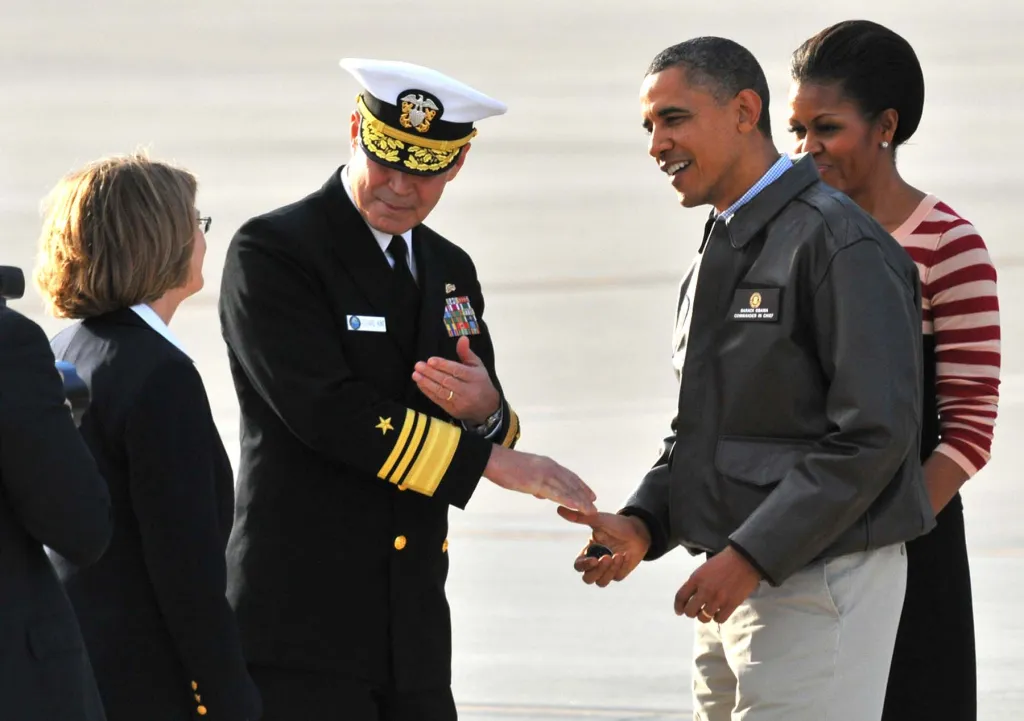
As we celebrate President’s Day, we honor the office of the presidency not just through speeches and holidays, but through the unique, tactile traditions that define American leadership. Among the most prestigious of these is the Presidential challenge coin, a small but highly symbolic token that carries enormous meaning as a mark of honor, loyalty, and recognition.
Often described as a "firm handshake in metal," these coins serve as a personal symbol of national gratitude handed directly from the Commander-in-Chief to those who have demonstrated excellence.
The Evolution of a Presidential Tradition
While the history of military challenge coins is often traced back to World War I—where a bronze medallion reportedly saved a captured American pilot from execution by proving his identity to French allies—the Presidential version is a more recent development.
Though early versions existed, such as the simple designs issued by Jimmy Carter, the tradition was formalized and popularized by Bill Clinton in the 1990s. Clinton famously received numerous coins from service members and displayed his vast collection in the Oval Office, a practice even captured in his official portrait.
A Gallery of Leadership: Unique Designs and Personal Styles
Every modern President has customized their coins to reflect the tone and priorities of their administration:
- Jimmy Carter’s coins were modest and understated, featuring the Presidential Seal on one side and his name on the other.
- Ronald Reagan introduced patriotic flair, with designs often reflecting his "peace through strength" philosophy.
- George H.W. Bush, a former Navy pilot, maintained a traditional approach, frequently handing out coins during visits to military installations and ships.
- George W. Bush utilized his coins as wartime tokens, often presenting them to wounded service members with the poignant inscription "Freedom Endures."
- Barack Obama favored a sleek, minimalist style, typically featuring a high-relief image of the White House and his signature.
- Donald Trump broke significantly with tradition, creating larger, gold-plated coins that replaced the national motto "E pluribus unum" with his slogan, "Make America Great Again."
- Joe Biden has continued the tradition with a restrained, diplomatic style, famously gifting a coin to Pope Francis during a 2021 visit.
The "Secret" Handshake: Distribution and Rarity
Presidential challenge coins are among the rarest in the world because they are primarily distributed through a discreet handshake between the President and the recipient. Unlike standard military coins, these are reserved for significant contributions, wounded soldiers, foreign dignitaries, or those performing elite duties like guarding Air Force One. Because they are almost exclusively handed out by the President or high-ranking staff, they are highly sought-after historical artifacts.
Myths vs. Reality
In military culture, challenge coins are sometimes used in "coin checks," where the person without their coin is obligated to buy a round of drinks. However, Presidential coins are strictly ceremonial. They are intended to be treasured heirlooms or displayed in collections rather than used for casual social games. These tokens represent a tangible moment of gratitude that does not require words.
The Future of the Coin
As technology evolves, the future of these coins may include digital integration, such as NFC chips to ensure authenticity and allow recipients to access special messages from the giver. Furthermore, as we approach the 2026 Semiquincentennial, the nation’s 250th anniversary has already sparked a surge in numismatic interest. Collectors are eagerly anticipating new commemorative designs that honor the legacy of the presidency and the iconic symbols of American liberty that have endured for two and a half centuries.
Search
Recent Post


.webp)
.webp)
.webp)
.webp)
.webp)
.webp)
-min.avif)
.webp)
.webp)
.webp)
.webp)
.webp)
.avif)