The Psychology of Cute: Why Animal Pins Build Emotional Loyalty

.jpeg)
Why do we immediately feel a pull toward a beautifully rendered enamel pin of a tiny fox, a mischievous cat, or a wise owl?
It’s more than just good design; it’s a deep-seated psychological response. Animal enamel pins are one of the most effective tools for emotional branding with animal pins because they tap into universal human instincts for care, nostalgia, and playfulness.
For designers, brands, and nonprofits alike, understanding this "Psychology of Cute" is the key to creating merchandise that doesn't just sell, but builds deep, lasting emotional loyalty.
I. The Science of "Aww": Kinderschema
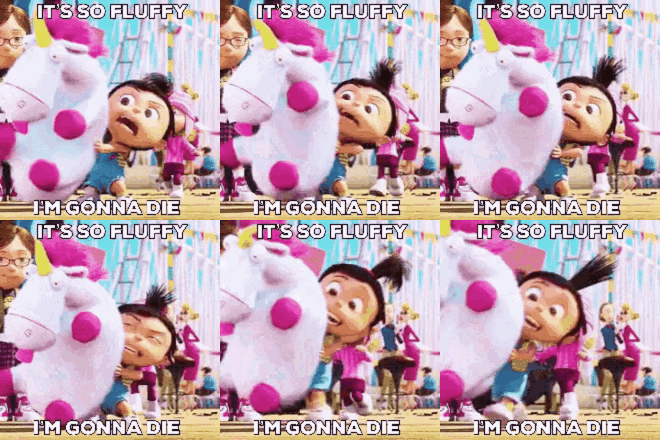
The concept of "Kinderschema," or "baby schema," explains why we find certain animal designs irresistible. Pioneered by ethologist Konrad Lorenz, Kinderschema describes the set of facial features large eyes, round cheeks, a small nose, and a large head relative to the body that instinctively trigger a nurturing response in humans.
When designers craft animal enamel pins using these exaggerated, simplified features, they bypass our rational minds and trigger an immediate, emotional connection. This is why a stylized baby deer or a wide-eyed frog is more effective at building loyalty than a photorealistic image./
II. Three Emotional Hooks That Drive Loyalty
The effectiveness of these pins relies on three core psychological drivers:
1. Nostalgia and Childhood ConnectionAnimals are often our first introduction to stories, empathy, and nature. A fox pin might subtly remind a customer of a beloved childhood storybook character, creating an instant feeling of warmth and safety. By tapping into this nostalgia, brands forge an emotional bond that far exceeds a simple transactional relationship.
2. Transference of Meaning and IdentityWe use pins to communicate who we are. Animals are powerful symbolic archetypes:
- The Turtle: Represents wisdom, patience, and longevity. This is why a turtle pin for nonprofit organizations often works so well for donor retention.
- The Bee: Represents community, hard work, and collective strength.
- The Cat/Fox: Represents independence, curiosity, and cleverness.
When a customer chooses to wear a specific animal pin, they are adopting those positive traits as part of their own identity, making the pin a cherished accessory rather than just a piece of merchandise.
3. Collectibility and PlayfulnessPins are low-cost art. Unlike clothing, they are easy to mix, match, and collect. This triggers the human psychological reward system associated with completing a collection. Brands that release seasonal or themed sets (like a "Forest Friends" series) encourage repeat engagement, turning a casual customer into a dedicated collector.

III. The Role of Design and Technology
To fully leverage this psychology, the pin must be executed perfectly. The quality of the physical product reinforces the emotional message; a cheap pin undermines the feeling of value and commitment.
PinProsPlus understands that the weight, the plating, and the precise color-fill—especially with hard enamel pins—are crucial to making a pin feel substantial and valuable. If you aren't sure which style fits your brand, our guide on pin types can help you decide between soft and hard enamel finishes.
AI and Design Insight: Modern designers can use AI-powered image analysis to study high-performing pins, identifying key trends in color palettes and feature exaggeration. Our team can help you refine these insights through our free design service, ensuring your pin connects with your target audience's visual preferences before it even enters production.
IV. Wear Your Values
The animal pin is a miniature masterpiece of emotional branding. It’s a silent, powerful communicator that harnesses deep psychological drivers—from the baby schema to identity transference—to build genuine loyalty.
By giving your audience a meaningful, beautifully designed symbol, you give them a piece of your brand they are proud to wear. Ready to start your project? Get a free quote today and bring your animal-inspired design to life.
Search
Recent Post
.jpg)
.jpg)

.webp)
.webp)
.webp)
.webp)
.webp)
.webp)
-min.avif)
.webp)
.webp)
.webp)
.webp)
.webp)
.avif)