Guide To Collecting Enamel Pins Like A Pro


.jpeg)
In 2026, pin collecting has transcended simple nostalgia. It is now a high-stakes world of micro-art, "phygital" assets, and narrative curation. Whether you’re maintaining a legendary legacy board or starting your first professional display, here is how to master the craft.
As withIn 2026, pin collecting has transcended simple nostalgia. It is now a high-stakes world of micro-art, "phygital" assets, and narrative curation. Whether you’re maintaining a legendary legacy board or starting your first professional display, here is how to master the craft. any other form of collection, there's an intricate practice that goes into lapel pin collection. There are top enamel collectors who've dedicated their whole time, effort, and other resources to amassing enamels. Some of these collectors have tens of thousands of lapel pins, and they either choose to hold them privately, trade them, or opt to display them publicly.
I. Beyond the Theme: Establishing Your Curation Pillar
In the early days of collecting, the advice was simple: "Pick a theme." In 2026, the pros have moved toward Curation Pillars. Instead of hoarding every pin from a generic category like "movies" or "animals," a professional collector builds a Living Archive centered on specific artistic movements or cultural narratives.
- The Rise of the Micro-Niche: The most valuable collections today focus on hyper-specific sub-genres. Think "Retro-Futurist Space Travel," "Cyber-Botanical Illustrations," or "2000s Tech Nostalgia." By narrowing your focus, you become an authority in that niche, making your custom enamel pin trades more strategic and your "Wall of Pins" more visually cohesive.
- The Narrative "Wall of Pins": Your display is no longer just a storage space; it’s a gallery. Pros organize their boards to tell a story—grouping pins by artist "eras," color gradients, or even historical "drop" dates. This transforms a chaotic board into a curated experience that holds its value over time.
- The "Creator-First" Approach: A professional collector follows artists, not just brands. In 2026, identifying the "Signature Style" of an independent designer is the best way to predict which pins will become future "Grails." If you can’t find a pin that fits your pillar, the pro move is to collaborate with a manufacturer to create II. Decoding Modern Materials and Quality: Hard Enamel vs. Soft Enamel 2.0In 2026, the "touch" of a pin is just as important as its look. To collect like a pro, you must be able to identify manufacturing techniques at a glance. Understanding these materials doesn't just help you appreciate the art—it helps you evaluate the long-term investment value of your custom enamel pins.
- Hard Enamel (Cloisonné Style): The "Jewelry" TierHard enamel remains the undisputed king for high-end curation. In the 2026 market, these pins are prized for their smooth, glass-like finish. The enamel is overfilled and then polished down to the same level as the metal lines.
- Pro Benefit:
- They are incredibly durable and resistant to scratches, making them the perfect choice for "Grail" pieces that will be handled or traded frequently.
- Soft Enamel: The "Dimensional" Tier: Don't let the name fool you; soft enamel isn't actually soft. The difference is that the enamel sits below the metal ridges, creating a recessed, 3D texture.
- Pro Benefit:
- Soft enamel allows for more intricate detail and thinner metal lines. If your "Wall of Pins" features highly complex, illustrative designs, you’ll likely find that soft enamel captures those fine details better than hard enamel.
- Die Struck Pins: The Minimalist MasterpieceFor collectors who appreciate the raw beauty of metal, die-struck pins skip the color entirely. They rely on recessed and raised metal to create a high-relief, sculptural look.
- Pro Trend:
- In 2026, "Sandblasted" die-struck pins (where the recessed areas have a grainy, matte texture) are a major trend for minimalist collectors who want an elegant, monochromatic aesthetic.
- Advanced 2026 Finishes:
- A true pro looks for
- special effects
- that elevate a pin beyond the standard. Look for "Stained Glass" (translucent enamel), "Glow-in-the-Dark 2.0" (which stays bright for hours), and "Screen Printed" details—where tiny facial features or gradients are printed directly onto the hardened enamel.
- Hard Enamel (Cloisonné Style): The "Jewelry" TierHard enamel remains the undisputed king for high-end curation. In the 2026 market, these pins are prized for their smooth, glass-like finish. The enamel is overfilled and then polished down to the same level as the metal lines.
- Quality over Quantity: In a market saturated with mass-produced items, the 2026 pro prioritizes Limited Edition (LE) runs and Artist Proofs (AP). Understanding the rarity tiers—from Open Edition (OE) to 1-of-1 customs—is the first step to building a collection with real secondary market leverage.
2026 Collector’s Note: A theme is what you collect; a Pillar is why you collect it. Before adding your next piece, ask: Does this enhance the story of my archive?
II. Decoding Modern Materials and Quality: Hard Enamel vs. Soft Enamel 2.0
In 2026, the "touch" of a pin is just as important as its look. To collect like a pro, you must be able to identify manufacturing techniques at a glance. Understanding these materials doesn't just help you appreciate the art—it helps you evaluate the long-term investment value of your custom enamel pins.
- Hard Enamel (Cloisonné Style): The "Jewelry" TierHard enamel remains the undisputed king for high-end curation. In the 2026 market, these pins are prized for their smooth, glass-like finish. The enamel is overfilled and then polished down to the same level as the metal lines.
- Pro Benefit: They are incredibly durable and resistant to scratches, making them the perfect choice for "Grail" pieces that will be handled or traded frequently.
- Soft Enamel: The "Dimensional" TierDon't let the name fool you; soft enamel isn't actually soft. The difference is that the enamel sits below the metal ridges, creating a recessed, 3D texture.
- Pro Benefit: Soft enamel allows for more intricate detail and thinner metal lines. If your "Wall of Pins" features highly complex, illustrative designs, you’ll likely find that soft enamel captures those fine details better than hard enamel.
- Die Struck Pins: The Minimalist MasterpieceFor collectors who appreciate the raw beauty of metal, die-struck pins skip the color entirely. They rely on recessed and raised metal to create a high-relief, sculptural look.
- Pro Trend: In 2026, "Sandblasted" die-struck pins (where the recessed areas have a grainy, matte texture) are a major trend for minimalist collectors who want an elegant, monochromatic aesthetic.
- Advanced 2026 Finishes: A true pro looks for special effects that elevate a pin beyond the standard. Look for "Stained Glass" (translucent enamel), "Glow-in-the-Dark 2.0" (which stays bright for hours), and "Screen Printed" details—where tiny facial features or gradients are printed directly onto the hardened enamel.
PinPro Tip for 2026: When choosing pins for a "Wall of Pins," mix textures! The contrast between the flat shine of hard enamel and the recessed shadows of soft enamel creates a much more dynamic visual display
III. The Economics of Rarity: LE, AP, and the Secondary Market
In 2026, collecting like a pro means understanding that a pin is more than just a piece of metal—it is a digital-age asset. The secondary market has become highly sophisticated, and a professional collector knows how to read "rarity markers" to distinguish a common find from a high-value "Grail."
- Understanding the Tiers of Rarity:
- Open Edition (OE): These are the "evergreens" of your collection. While they are great for trading and filling out a board, they are produced in unlimited quantities. Pro tip: Use custom enamel pins in OE runs to build your brand or community presence without the stress of "selling out."
- Limited Edition (LE): The bread and butter of serious collecting. These have a fixed production run (e.g., LE 50 or LE 100). In 2026, the lower the number, the higher the prestige. If you are creating your own custom lapel pins, numbered laser etching on the back is a must for the "Pro" label.
- Artist Proofs (AP) and Printer Proofs (PP): These are the rarest of the rare—early samples used to check color and quality. They often feature subtle differences from the final run. Owning an AP is the ultimate flex for a 2026 curator.
- The 2026 Secondary Market Ecosystem:The market has moved beyond simple eBay listings. Today’s pro collector uses dedicated trading apps and Discord "Vaults" to track values in real-time.
- Digital Verification: High-end drops often come with a digital certificate of authenticity (COA). If you’re trading a rare piece, ensure the digital "twin" is transferred to the new owner to maintain the pin's full market value.
- The "Hype Cycle" vs. "Legacy Value": Pros differentiate between "trending" pins (those tied to a temporary meme or show) and "Legacy" pins (those with timeless art or historical significance). Always invest in art over hype.
- Valuation Factors:What makes a pin worth $\$500$ in 2026? It’s a combination of:
- Artist Reputation: The "brand name" behind the design.
- Manufacturing Quality: Was it produced by a top-tier house like PinProsPlus? Collectors look for crisp lines and flawless enamel.
- Completeness: Original backing cards and digital tags significantly boost value.
Pro Strategy for 2026: Never chase the "market price." Instead, focus on completing "Sets." A full collection of a specific artist’s 2026 run is always worth more than the sum of its individual pins.
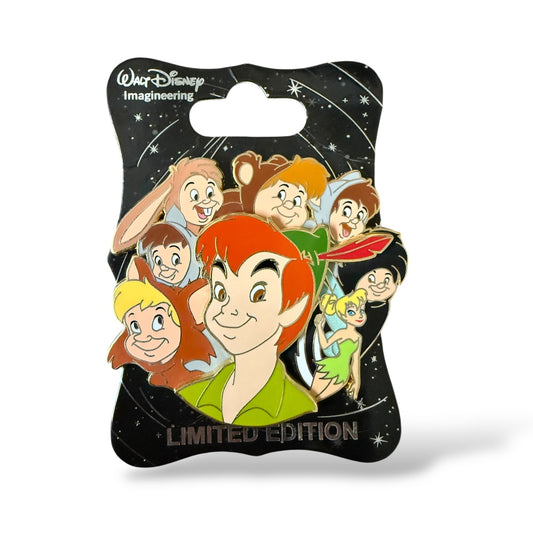
IV. Archival Storage and the Modern "Wall of Pins"
In 2026, a professional collection is no longer just "pinned" to a board; it is archived. As the secondary market value of rare pieces climbs, the focus for pros has shifted from simple display to long-term preservation. Whether you have a single frame or a legendary "Wall of Pins" that covers an entire room, your storage strategy defines the lifespan of your investment.
- The Evolution of the "Wall of Pins":While the classic corkboard remains a beloved foundation for many, the 2026 pro has upgraded to Modular Gallery Tiles and Magnetic Display Systems. These high-density foam or magnetic surfaces allow you to rearrange your custom lapel pins without damaging the backing or crumbling the board over time.
- Pro Tip: Organize your wall by "Chapters"—grouping pins by artist, release year, or color story to create a visually striking narrative.
- Preservation: Fighting the Elements:Modern enamel is tough, but light and moisture are its greatest enemies. To keep your collection in "Mint" condition:
- UV-Protective Glass: If your display is in a room with natural light, pros use museum-grade acrylic or UV-filtered glass frames. This prevents the "yellowing" of white enamels and the fading of vibrant pigments.
- Climate Control: High humidity can lead to "tarnishing" or "pitting" on the metal plating. Keep your primary display in a climate-controlled environment to maintain that "fresh-from-the-factory" shine.
- Security: The "Locking Back" Standard:There is nothing worse than a rare "Grail" falling off a board and chipping its enamel. In 2026, the basic rubber clutch is strictly for casual wear. For professional displays and jacket-wearing, Deluxe Locking Metal Backs are the industry standard. These internal-spring locks ensure your pin stays exactly where you put it, protecting both the art and the investment.
- Digital Inventory Mapping:When your collection reaches the hundreds, finding one specific variant can be a challenge. Pro collectors now use Inventory Apps to "map" their physical walls. By taking a high-res photo of your board, you can tag each pin with its purchase price, LE number, and current market value.
2026 Maintenance Rule: Once a year, give your high-polish pins a gentle wipe with a microfiber cloth. For , this removes skin oils and dust that can dull the luster over time, keeping your archive "gallery-ready."
V. Phygital Features and the Future of Collecting (AR, NFC, and Beyond)
As we move through 2026, the most significant shift in the hobby is the rise of the "Phygital" pin—the seamless blend of physical craftsmanship and digital utility. Collecting like a pro now means looking beyond the metal to see what "hidden" features a pin offers.
- AR-Enabled Art: Bringing Your Wall to LifeThe days of pins being static objects are over. Many independent artists and brands now release AR (Augmented Reality) pins. By scanning the pin with a smartphone app, collectors can unlock hidden animations, 3D models, or exclusive music tracks. For a professional curator, an AR-enabled pin is a multi-sensory centerpiece for any "Wall of Pins."
- NFC and Blockchain VerificationTo combat the rise of "scrappers" (unauthorized factory seconds) and counterfeits, high-end Limited Edition (LE) pins now often feature embedded NFC (Near Field Communication) chips.
- The Pro Advantage: A quick tap of your phone to the pin instantly verifies its authenticity and displays its unique serial number on a digital ledger. This "Digital Certificate of Authenticity" (COA) is essential for maintaining the high resale value of your rare "Grails."
- The "Digital Twin" for the MetaverseIn 2026, your collection follows you into virtual spaces. Many professional drops now include a "Digital Twin"—a verified 3D asset of your physical pin that your avatar can wear in virtual hangouts or display on your social media profiles.
- Sustainability: The New Standard of ExcellenceA true pro in 2026 cares about the "Footprint" of their collection. The industry has shifted toward sustainable manufacturing. Look for pins made from recycled zinc alloys and those shipped in plastic-free, FSC-certified packaging. At PinProsPlus, we prioritize these ethical standards, ensuring your hobby supports both the arts and the planet.
Your Legacy as a Curator
Collecting enamel pins "like a pro" in 2026 is an art form in itself. It’s about more than just the "clink" of metal; it’s about preserving history, supporting independent artists, and embracing the technology that makes this hobby more interactive than ever before.
Whether you are hunting for a rare hard enamel masterpiece or ready to design your own custom lapel pins to start your own "Signature Series," the future of collecting is bright, shiny, and waiting for you to make your mark.
Ready to turn your vision into a professional "Grail"? Get your free quote from PinProsPlus today and let’s build the future of your collection together.
Search
Recent Post
.jpg)
.jpg)

.webp)
.webp)
.webp)
.webp)
.webp)
.webp)
-min.avif)
.webp)
.webp)
.webp)
.webp)
.webp)
.avif)